
Quantitative prediction of human metabolites using chimeric mice with humanized livers Published in “Journal of Pharmaceutical Sciences”
Quantitative prediction of human metabolites formed from the oxidation of the alcohol group of the glucokinase activator, TMG-123, using chimeric mice with humanized livers
Published Date : January 27, 2026
Summary
Prediction of human pharmacokinetics is important not only for the parent compound but also for its metabolites, and it serves as a key factor in determining whether to advance a compound into clinical trials. In particular, predicting human metabolites is more complex than predicting the parent compound, as it requires assessing potential clinical risks while considering factors such as the types of metabolizing enzymes involved and interspecies differences.
In this study, we focused on humanized liver chimeric mice as a useful tool to address these challenges. Using the glucokinase activator TMG-123, we evaluated whether the quantitative prediction of a metabolite generated through oxidative metabolism of an alcohol moiety could be achieved in humans. The results demonstrated that humanized liver chimeric mice produced oxidative metabolites of TMG-123 at rates similar to those observed in humans, whereas conventional mouse models failed to provide such predictions. These findings suggest that humanized liver chimeric mice are a promising tool for predicting human metabolites.
Axcelead’s Solution
At Axcelead, we actively utilize valuable tools such as humanized liver chimeric mice to enable the prediction of human pharmacokinetics and to conduct thorough risk assessments. We address a wide range of challenges in drug discovery research, so please feel free to contact us for consultation.
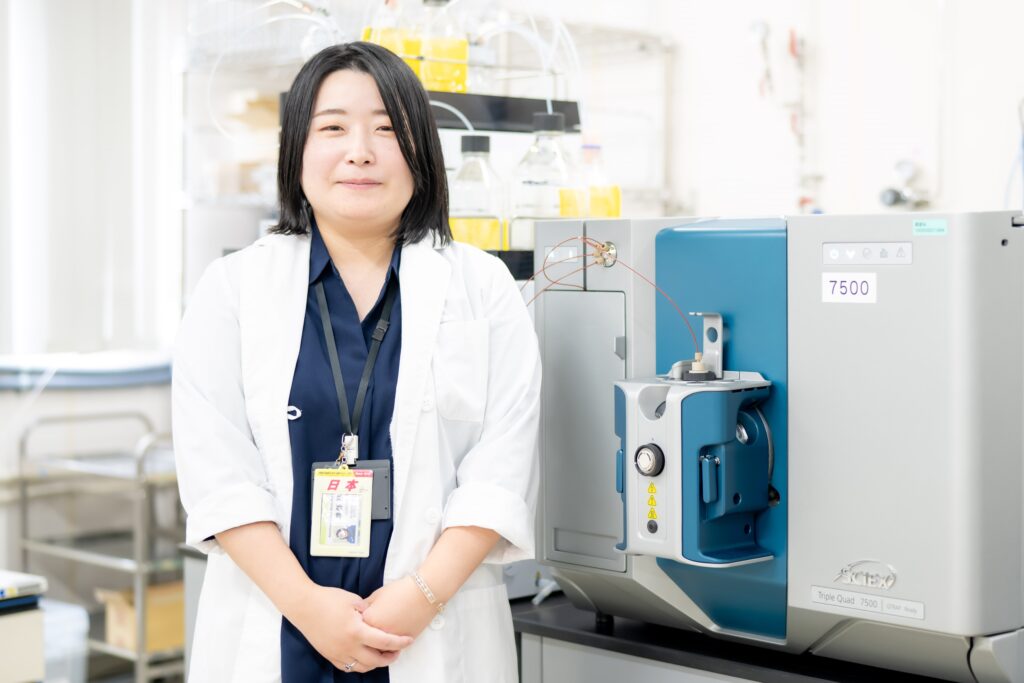
Akiko Watanabe, Discovery DMPK
After completing her Master’s degree in Pharmaceutical Sciences at Hiroshima University, Watanabe joined Teijin Pharma Ltd. She has been affiliated with Axcelead Tokyo West Partners since 2024. Her work spans a broad range of pharmacokinetic research activities, from early-stage ADME screening to lead compound profiling, including the application of biomarkers in drug discovery.